Light Management
Darkness is a key signal for sleep. Blackout curtains, no nightlights, and absence of blue light from devices create ideal conditions.
Practical, actionable guide to light, temperature, sound, and comfort. Design a sleep space that supports your rest naturally.
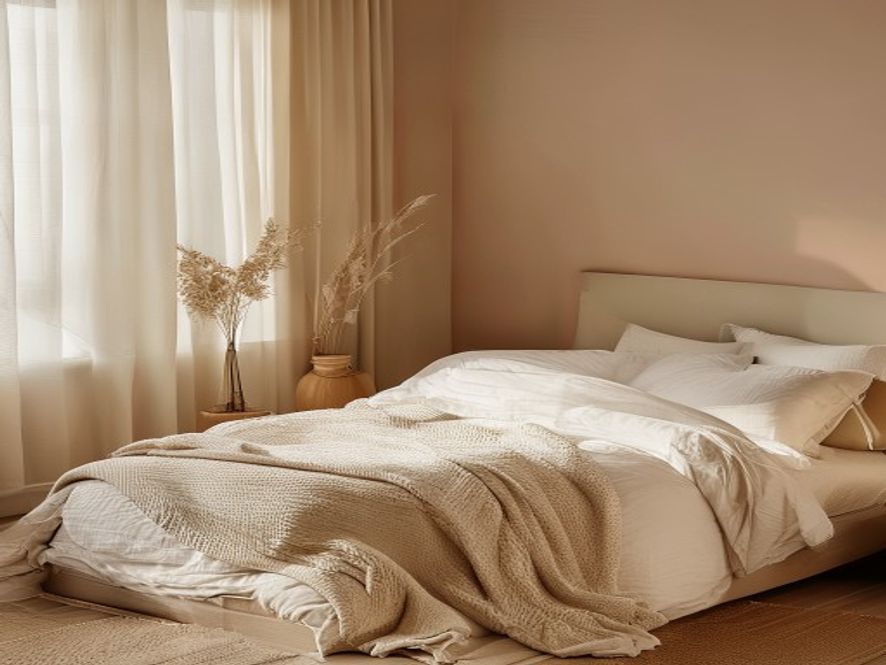
Darkness is a key signal for sleep. Blackout curtains, no nightlights, and absence of blue light from devices create ideal conditions.
Cooler rooms (16–19°C) are generally preferred, though individual comfort varies. Bedding weight matters—experiment with layers.
External noise disrupts sleep. White noise machines or earplugs can help mask unwanted sounds.
Your mattress, pillows, and bedding affect rest quality. Invest in comfort that suits your body and preferences.
Use this checklist to audit and improve your sleep space.
| Element | Ideal State | Your Notes |
|---|---|---|
| Blackout Coverage | No external light visible (streetlights, gaps in curtains) | … |
| Screen & Device Light | All devices removed or in another room | … |
| Nightlights | None, or very dim amber only | … |
| Room Temperature | 16–19°C, or your preferred cool range | … |
| Bedding Weight | Matches season and personal comfort | … |
| Airflow | Window option open, or fan for circulation | … |
| External Noise Sources | Identified and minimised (earplugs, white noise) | … |
| Internal Noise | Partner snoring, pets, household sounds addressed | … |
| Mattress Condition | Supportive, comfortable, not sagging (5–10 years old) | … |
| Pillow Support | Correct height for your sleep position and body | … |
| Sheets & Fabric | Breathable, clean, comfortable texture | … |
| Bedroom Clutter | Minimal visual clutter, calming aesthetics | … |
You don't need to redesign your entire bedroom. Start with these low-cost changes:
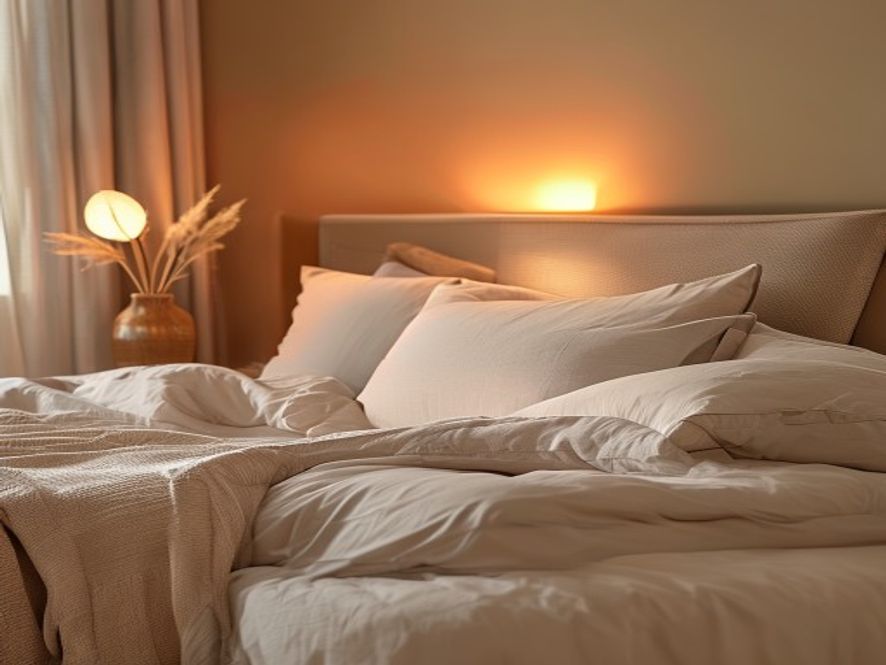
Optimise your personal space: use earplugs, an eye mask, and your own pillow and layers. Create a barrier with a partition if possible. Communicate with your partner about shared improvements.
Darkness is highly supportive for sleep but individual needs vary. If complete darkness feels uncomfortable, very dim red or amber light is preferable to bright light. Experiment with your own comfort level.
Most people sleep best around 16–19°C, but personal preference varies significantly. Cooler is generally better than warmer. Use bedding to adjust, rather than room temperature alone.
If your mattress is sagging or older than 10 years, replacement can help. But first optimise pillows, layers, and room conditions—these are often more cost-effective improvements.
Our consultants can review your bedroom setup and suggest tailored improvements.
Book a Consultation